Journal ·
Winning the trip-planning search: SEO for Peak District gateway businesses
How cafés, holiday lets and activity businesses in Belper, Matlock, Ashbourne and the Derwent valley can reach visitors while they plan, not only once they arrive.
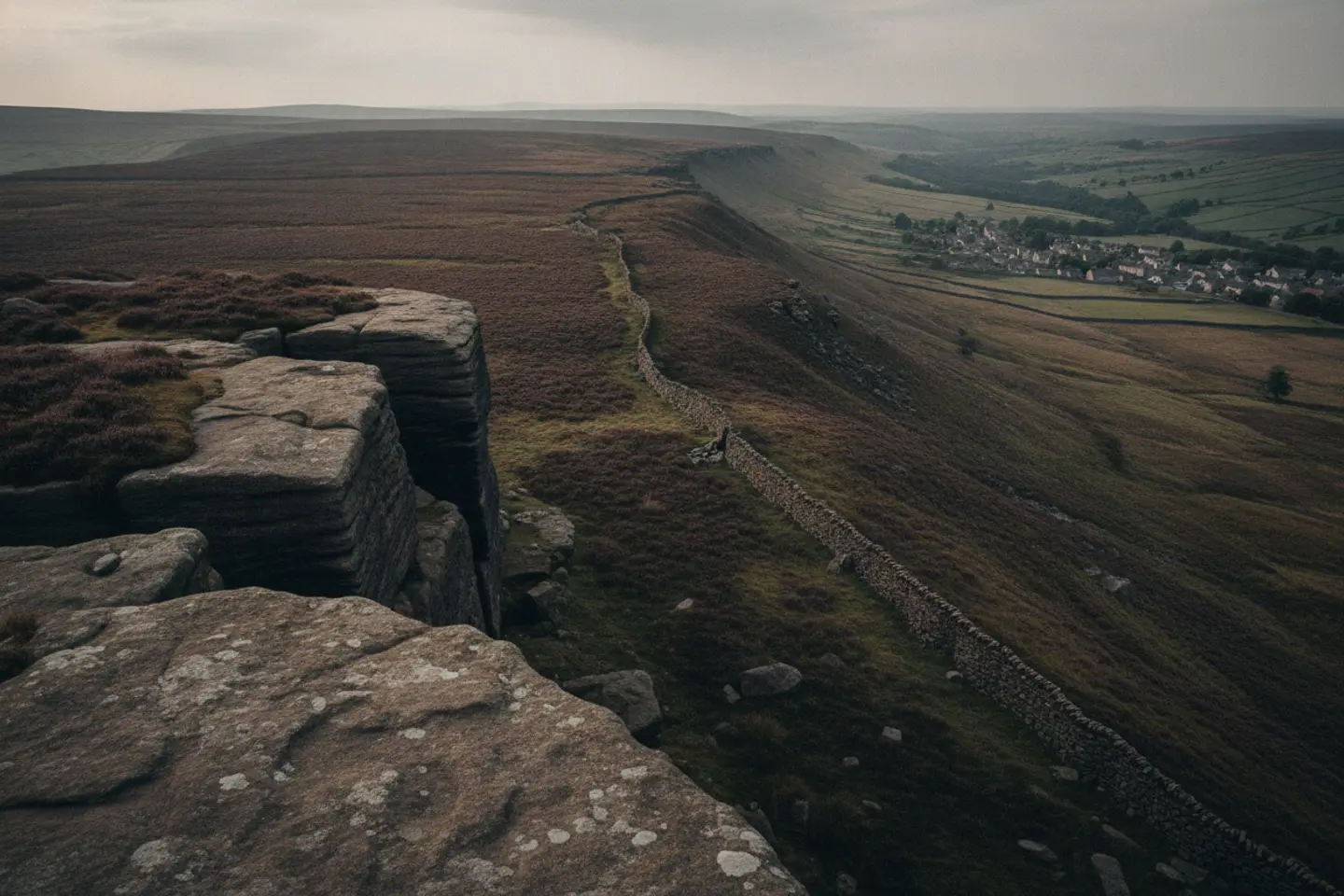
Derby sits at the southern edge of one of the most visited national parks in Britain. The towns between the city and the hills, Belper, Matlock, Ashbourne, Wirksworth, Cromford and Bakewell beyond, depend heavily on visitors. Many of those visitors decide where to stay, eat and spend the day before they leave home in Derby, Nottingham, Sheffield, Birmingham or Manchester.
That planning stage happens on search engines. This article is about reaching people while they plan.
Two kinds of visitor search
Visitor searches fall into two broad groups.
In-the-moment searches happen nearby and on a phone: "café near me", "parking Matlock Bath", "pub with food open now". These are mostly won through your Google Business Profile: accurate opening hours, categories, photographs and reviews.
Planning searches happen days or weeks earlier, often on a laptop: "dog-friendly cottages Peak District", "easy walks from Cromford", "things to do in Belper with kids", "cycle hire Tissington Trail". These are mostly won by pages on websites, and they are where an independent business can compete with large platforms, because the platforms do not answer specific questions well.
Profiles: the in-the-moment basics
Seasonal businesses lose more visits to inaccurate opening hours than to almost anything else. If you close on Mondays in winter, or open late on summer evenings, set special hours on your profile. Visitors who arrive to a locked door rarely come back, and some will say so in a review.
Other quick wins:
- Photographs that show the place as it is, inside and out, taken in good light. Add new ones through the season.
- A menu that search engines can read, either on your profile or as text on your website rather than only a PDF or image.
- Attributes such as "dog-friendly", "wheelchair accessible entrance" and "outdoor seating", where they are true.
- Replies to reviews, which show future visitors that someone cares.
Planning content that earns its place
Think about the questions visitors ask you in person. Those questions are what other visitors type into search before they come.
For holiday lets and B&Bs
Booking platforms dominate broad searches like "cottages Peak District". You will not easily beat them there, and you do not need to. Instead, build pages for the specific reasons people choose you:
- Dog-friendly details: enclosed garden, nearby walks, pubs that welcome dogs.
- Walking and cycling access: distance to the High Peak or Tissington Trails, secure bike storage, drying room.
- Accessibility: step-free access, ground-floor bedrooms, wet rooms.
- Groups and occasions: how many you sleep, whether celebrations are allowed.
Each of these can rank for a narrower search and also persuade people to book direct.
For cafés, pubs and restaurants
A short page about your location in relation to walks, heritage sites and parking is useful. If you are near the Derwent Valley Mills, a trail, or a river walk, say how far and which way. Seasonal menus, events and live music listings give people reasons to visit and give search engines fresh, specific content.
For activity and attraction businesses
Route guides, difficulty levels, what to bring, how long it takes, where to park and what to do if the weather turns. This kind of content is shared, linked to and searched for in large numbers. It also builds trust before a booking.
Local guides that are actually local
Many tourism websites have a "local area" page listing the same attractions as every other site. A better approach is to write what you genuinely know: the walk you would recommend on a wet day, the less crowded viewpoint, the pub where walkers are welcome in muddy boots. Specific, first-hand detail is what makes a guide useful, and it is very hard for a large platform to copy.
Technical points for small tourism sites
Many visitor businesses run on website builders or booking-system templates. Common problems we see:
- Very large images that make pages slow on rural mobile connections.
- Booking widgets that load the only useful content through scripts search engines struggle with.
- Several near-identical pages for each room or cottage with no distinct text.
- Opening hours stated differently on the website, the profile and social media.
None of these are difficult to fix, and fixing them helps visitors as much as search engines.
Measuring what matters
For a holiday let, the measure is direct bookings. For a café, it might be calls, direction requests from your profile and visits to the menu page. Set these up at the start of a season so you can compare like with like next year; tourism is too seasonal for month-to-month comparisons to mean much.
If you run a visitor business in Belper, Ashbourne, Matlock or elsewhere around the Peak, our content and local SEO services are the usual starting point.
Planning content ideas by business type
Different visitor businesses have different questions to answer. This table is a starting point for a content plan.
| Business | Planning questions to answer | Example page ideas |
|---|---|---|
| Holiday cottage | Is it right for our group? What is nearby? | Dog-friendly stays, walks from the door, accessibility details |
| Café or pub | Can we eat here after a walk? Are muddy boots welcome? | Menu, walkers and cyclists welcome page, opening hours by season |
| Bike or equipment hire | What routes suit us? What do we need to bring? | Route guides from the hire point, family rides, what is included |
| Activity provider | Is it safe? Is it suitable for children? | Age and ability guides, what to expect, weather policy |
| Attraction | How long should we allow? Where do we park? | Visit planner, accessibility, combined day out ideas |
Seasonality and timing
Visitor searches in Derbyshire rise well before the season. People research summer holidays in the spring, and plan autumn and Christmas breaks in late summer. Content for a season should be live and indexed well before demand peaks. For a cottage business, that means updating summer pages in the early spring, not in July.
Winter is often neglected. Searches for cosy breaks, walks that are good in winter and places with open fires are made through the colder months, and there is often less competition for them.
Working with the booking platforms
Most holiday lets in the Peak District list on one or more booking platforms, and those platforms will usually outrank a small site for broad searches. Treat them as a channel, not a competitor you need to beat. The aim of your own site is to:
- Win the specific searches the platforms do not answer well.
- Give past guests a reason to book direct next time.
- Make your property easy to find when someone searches its name after seeing it on a platform.
That last point matters more than most owners realise. Many people see a property on a platform, then search its name to check reviews or book direct. Make sure your own site comes first for your property name.
Reviews and the visitor economy
Reviews carry great weight for visitor businesses. People booking a stay or choosing a café will read several. Reply to them, thank people specifically, and respond calmly to criticism with what you have changed. A visible pattern of thoughtful replies reassures future visitors more than a perfect score.
A short checklist for gateway town businesses
- Your hours and seasonal closures are correct on your profile and website.
- Your website has a page for each property, room type or main activity.
- You have at least three pages answering planning questions specific to your guests.
- Your property or business name returns your own site first.
- Images are compressed so pages load quickly on phone signal in the hills.
- You measure direct bookings and enquiries, compared year on year.
Where we fit
We work with visitor businesses in Ashbourne, Matlock, Belper and the surrounding area. See the Ashbourne and Matlock area pages, or our content SEO service.
More from the journal